The Revolution of AI that ''Learns by Getting Hit'' and Sim2Real
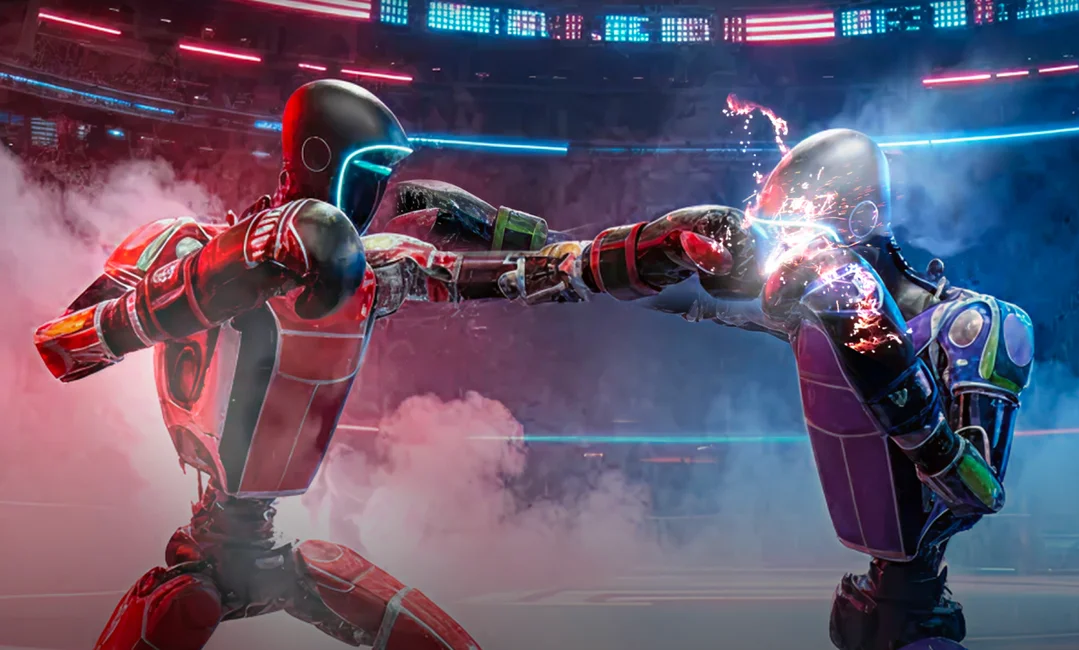
In the second half of 2025, the global robotics industry''s hottest topic is the combination of "combat" and "entertainment." Humanoid robots that once carefully performed walking tests in laboratories are now climbing steel rings to swing fists until opponents'' parts break. From VR-based robot boxing in Silicon Valley underground bunkers to state-led robot Olympics filling Beijing''s Olympic stadiums, "Robot Combat" has surged beyond spectacle to become a next-generation esports industry concentrating massive capital and cutting-edge AI. The $38 billion global robot combat market is bifurcated: US approach (entertainment + esports fusion) — REK (Robot Embodied Kombat) and UFB (Ultimate Fighting Bots) based in San Francisco and Las Vegas; human pilots wear VR headsets and haptic suits to "embody" robots via 5G ultra-low-latency; Twitch co-founder Justin Kan and UFC fighter Hyder Amil''s match piloting Unitree G1 robots gained global attention. China approach (state-driven national competition) — "Mecha King" competition at Beijing Olympic venues; Chinese government treating robot combat as national technology demonstration platform; domestic humanoid robot manufacturers (Unitree, Agibot, Zhiyuan Robotics) using competitions as real-world stress tests. Technical significance: combat robots are the world''s most demanding real-world AI training environment; every punch, fall, and recovery generates training data for Sim2Real transfer learning; the physical durability requirements push battery, actuator, and sensor technology beyond laboratory conditions. The $38B market projection reflects combined hardware sales, esports broadcast rights, training data value, and the military/industrial applications of combat-tested AI robustness.