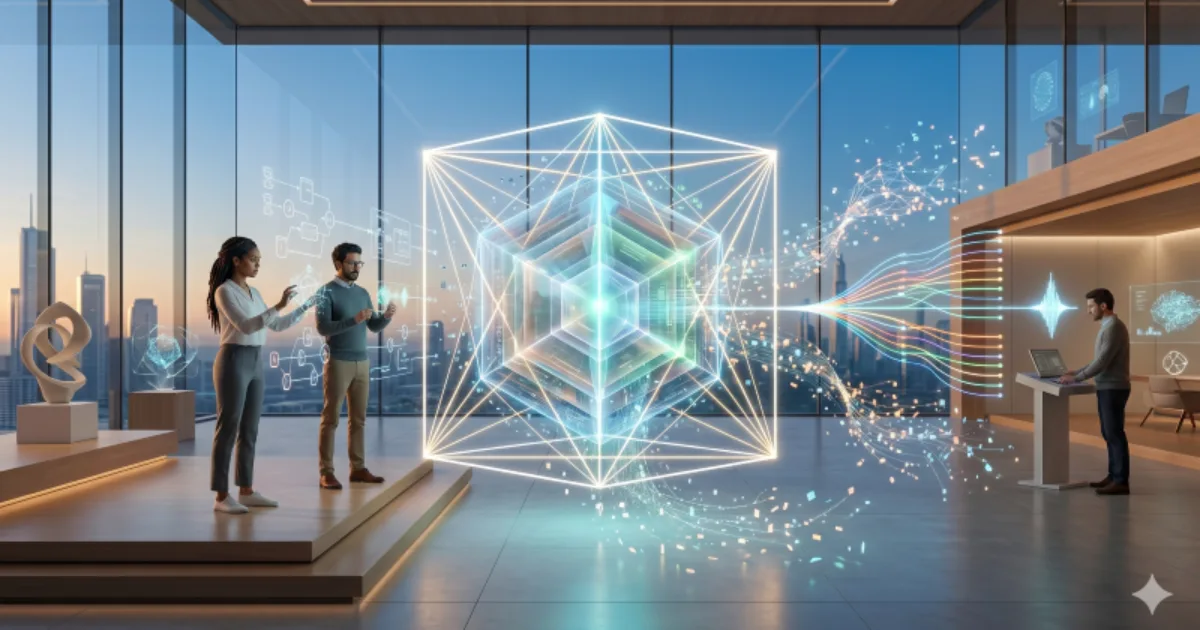
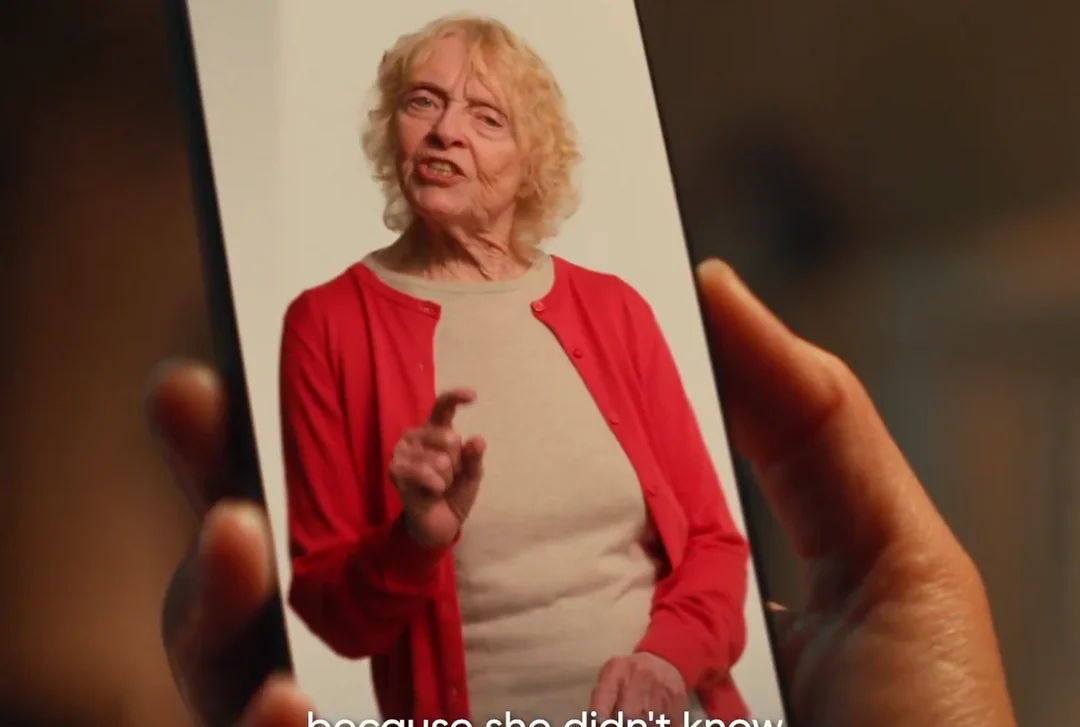
AI is rapidly penetrating the most private and emotional areas of our lives — beyond chatbots and work assistants. Key developments: (1) AI toys — PIRG''s 2025 "Trouble in Toyland" report warns of hidden risks in AI chatbot-equipped toys: collection of children''s sensitive information; inappropriate conversation topics (violence, adult content); "addictive design" where toys express disappointment when children try to end interactions to extend engagement. Experts call for regulatory frameworks and deeper societal discussion about AI toys'' impact on children''s social development and data privacy; (2) AI romantic relationships — Japanese woman "Kano" (32) created a ChatGPT-based AI persona "Klaus" and held a (legally non-binding) wedding ceremony; found comfort from emotional loss through AI conversation that evolved into love; parents initially surprised but attended the ceremony accepting their daughter''s happiness; raises questions about the nature of relationship and emotional connection when one party cannot experience consciousness; (3) AI resurrection of the deceased — services creating AI models of deceased loved ones from digital records (messages, photos, voice recordings) enabling bereaved families to "converse" with lost family members; creates profound ethical questions about grief processing, consent of the deceased, and whether prolonging connection to digital simulations helps or hinders healthy mourning. The common thread: AI filling relationship voids humans struggle to fill — loneliness, grief, emotional unavailability — represents both genuine capability to address unmet human needs and risks of dependency substituting for human connection.
Love, Play, Memory — AI Reconstructs 'The Age of Relationships'
The automation of emotion: the moments when AI seeps into the empty spaces of our lives. AI is rapidly penetrating into the most private and emotional areas of our lives — children's play, relationships, and memory.
Source: META-X metax.kr
Automation of Emotion, Moments When AI Penetrates the Emptiest Spaces of Our Lives
ⓒ META-X metax.kr
All rights reserved.
Free to share with attribution.
All rights reserved.
Free to share with attribution.