'Grow a Garden' Becomes a Routine of 'Digital Rest'
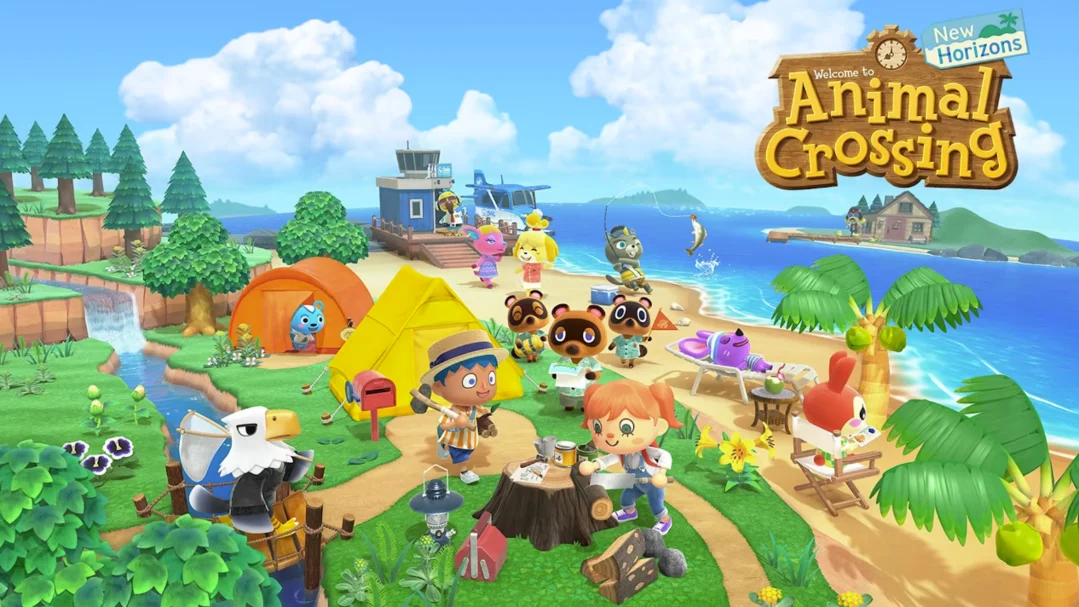
Today's "games" don't mean only shooting or competing. For the past several years, the global game market has quietly converged on one question: "Am I resting while playing this game?" Since the 2020s, healing/care-centered games have quietly but steadily grown in presence. Animal Crossing: New Horizons provided "virtual daily life" to tens of millions of users worldwide amid the unprecedented pandemic — selling 13M+ copies in its first month, surpassing 44M lifetime sales as of 2024, one of Nintendo Switch's all-time best sellers. During pandemic social distancing, it functioned as a digital community platform beyond a simple game. Stardew Valley (2016, 20M+ copies sold, majority PC) — a farm cultivation and village communication game that induced longer playtimes than esports, long-running on Steam's popularity charts; developed by solo developer ConcernedApe (Eric Barone), generating global fans through emotional immersion and self-paced play through farming, relationships, and seasonal cycles. Still played by tens of thousands daily in 2024. Unpacking — merely an unboxing game, but designed with emotionally interpretable mechanics for each organizing action; 1M+ copies sold by 2023, opened new "emotion interpretation in games" discourse across Steam, Switch, and Xbox Game Pass.
Grow a Garden (Roblox, 2025) — seeding, watering, harvesting virtual gardens while chatting with friends; reached 400,000+ concurrent users on Roblox within days of launch; players reported "I just watered plants while doing nothing else, and somehow felt refreshed." The healing game trend reflects Gen Z's relationship with stress: in an always-on, performance-evaluated world, games offering repetitive low-stakes tasks provide genuine psychological rest. Research increasingly supports this — the "flow state" of caring for virtual spaces reduces cortisol levels comparably to traditional relaxation techniques. The game industry is responding to mental health needs that traditional wellness markets haven't served effectively, particularly for demographics skeptical of formal mental health interventions.