Microsoft celebrated its 50th anniversary. From the vision of "a PC in every home and office" when Bill Gates founded the company in 1975, the company has led the trajectory of digital innovation through personal computers, the internet, office software, cloud, and now artificial intelligence. For its next 50 years, Microsoft has made a new promise: "an AI Copilot for every person."
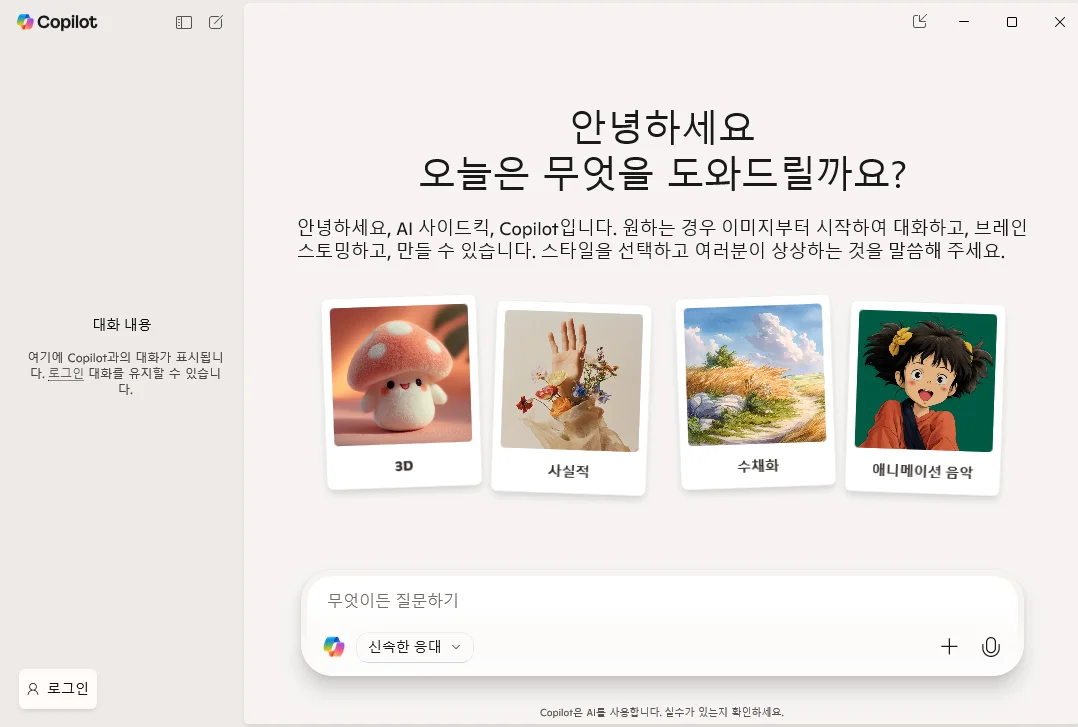
Copilot is introduced not as a simple program but as an entity that understands personal context and operates within it. While PCs were essential tools, Copilot is the concept of a companion permeating life and work — remembering a user''s pet''s name, ongoing projects, habits, and preferences to gradually become "an entity that knows me." Microsoft is positioning this as "your Copilot."
Copilot''s capabilities are expanding: Deep Research analyzing vast data; Shopping finding optimal products and prices; Action services handling ticket reservations and transportation preparation; a new Windows-exclusive app enabling PCs to operate proactively beyond simple execution tools; and on mobile, Copilot Vision allowing real-time sharing of what users see. Microsoft emphasizes "the user is the pilot and AI is merely the assistant" — Mustafa Suleyman, Microsoft''s AI head, draws the line that "AI is a tool for people and cannot become people," putting human control and responsibility as paramount values.
Copilot positions as a tool enhancing productivity and creativity, supporting learning, and reducing emotional fatigue. However, simultaneous social challenges arise: how personal information and control rights are guaranteed when AI remembers personal life; what mechanisms prevent users from becoming too emotionally entangled with AI; how human labor and judgment value will be redefined as Copilot spreads across work, education, and consumption. Microsoft''s 50th anniversary declaration is a starting point testing the coexistence of AI and human society, not simple product promotion. Just as PCs entered every home and office, Copilot is now entering personal lives. But importantly, it is a tool that exists for people — not an entity that looks like a person. Whether this vision can be realized as technology that makes humans more human over the next 50 years is not only Microsoft''s challenge — it is a problem the entire AI industry and society must solve together.