The Shadow of AI Innovation, and the Questions That Remain
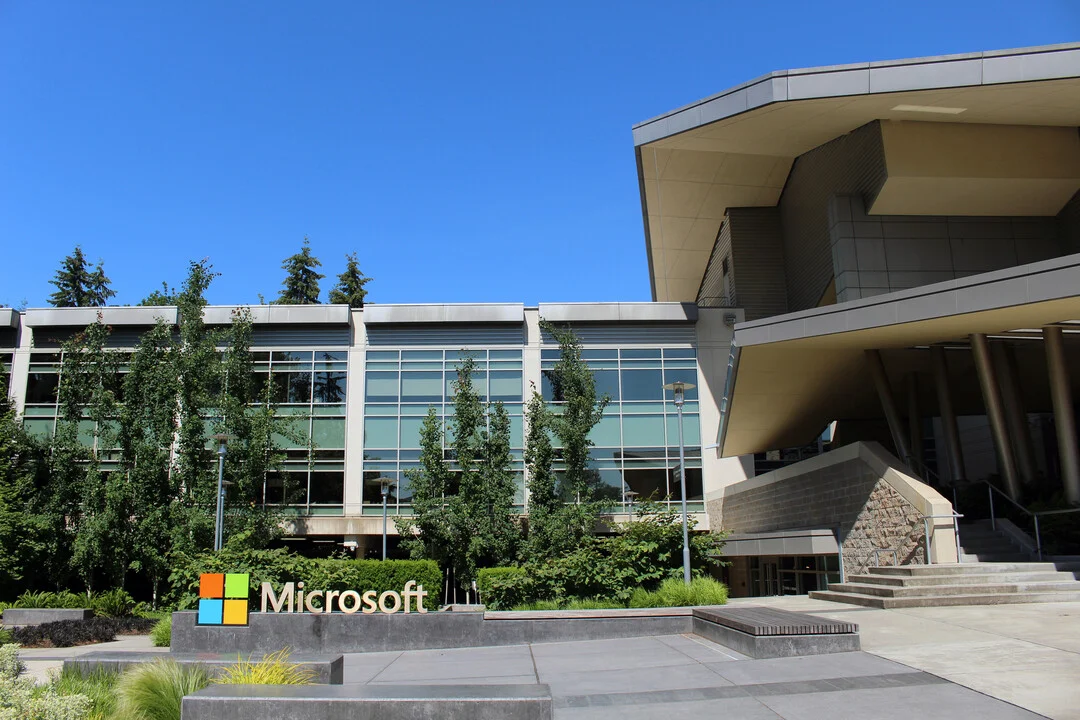
On July 2, 2025, Microsoft announced layoffs of approximately 9,000 employees (about 4% of global workforce) — additional action following approximately 6,000 layoffs in May 2025, totaling 15,000+ in the first half of 2025 alone. Paradoxically, these layoffs were announced during Microsoft's record-high performance period, with the company simultaneously investing $80 billion in AI infrastructure (data centers, semiconductors, cloud) in 2025. Official statement: "We continue to implement organizational changes necessary to best position the company and teams for success in a dynamic marketplace." Affected areas: Xbox (including ZeniMax, King), traditional sales/marketing/support departments, with some transitioning to technology-based roles (solution engineers). Microsoft workforce history: 2020-2022 aggressive hiring (60,000+ additions through Nuance and Xandr acquisitions); 2023 slowdown + first 10,000-person restructuring as pandemic demand ended; 2024 mixed hiring/layoffs including post-Activision Blizzard deduplication; 2025 AI-transition-driven acceleration (15,300 total layoffs, ~7% of workforce). Gaming division: Phil Spencer's internal memo cited the need to position gaming "for enduring success" — but the practical effect was elimination of middle management layers and consolidation of game studios acquired during the Activision Blizzard deal. Broader question the layoffs raise: as AI automation eliminates roles that previously required human judgment (quality assurance, content review, customer support), the companies achieving "record performance" are simultaneously reducing the human workforce that delivered that performance — creating a decoupling between corporate financial success and employment that challenges traditional assumptions about tech industry job creation.