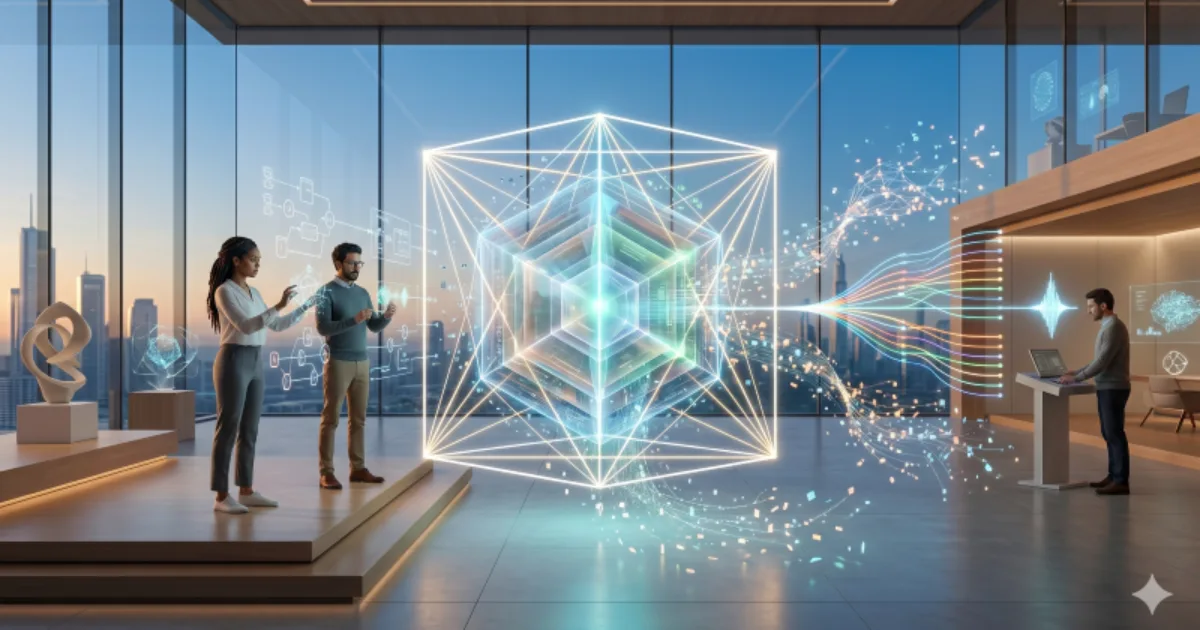
Fall 2025: Meta began a quiet but massive change. Messenger for Mac termination is merely the opening act. Meta is now formally executing its long-term strategy to integrate Messenger, WhatsApp, and Instagram DM into a single conversational network. The purpose is not simply efficiency -- this is Meta "AI Native Messaging Platform": building a system where humans and AI interact in the same conversational space. In the early 2010s, Meta three messaging apps each represented different ecosystems -- Messenger (Facebook social graph, relationship-based), WhatsApp (phone number-based, private intimate communication), Instagram DM (interest and follower-based, media-rich communication). These three apps divided the market but data and technology infrastructure were separated -- different encryption protocols, login structures, and storage policies. However in 2025, Meta is integrating this structure under "Meta Unified Messaging Protocol (MUMP)" -- incorporating WhatsApp E2EE (End-to-End Encryption) while enabling cross-platform messaging. The AI native messaging vision: integrating AI agents into the messaging layer means Meta AI can participate in conversations across all three platforms -- answering questions, helping with tasks, providing recommendations -- creating a unified AI assistant experience across the entire Meta social graph. The competitive positioning: Apple (iMessage + Siri), Google (Messages + Gemini), and Microsoft (Teams + Copilot) are all pursuing similar "AI-in-messaging" strategies; Meta advantage is the scale of its social graph (3B+ monthly active users across its apps) and the diversity of communication contexts (social, intimate, interest-based) that create richer AI training signals. The regulatory risk: EU regulators have raised concerns about Meta messaging integration as potentially anti-competitive -- creating switching costs that entrench Meta position; DMA requirements may constrain how Meta can implement cross-platform integration.
"One Conversation, Three Worlds" — Meta's Integrated AI Messaging Strategy
The reason Messenger, WhatsApp, and Instagram DM are merging into one ecosystem. Three messengers, one 'conversation system.' In autumn 2025, Meta made a quiet but sweeping structural change.
Source: META-X metax.kr
Why Messenger, WhatsApp, and Instagram DM Are Merging into One Ecosystem
ⓒ META-X metax.kr
All rights reserved.
Free to share with attribution.
All rights reserved.
Free to share with attribution.