Continued Sanctions, Narrowing US Footprint
Light and Shadow of the World''s Largest Drone Company
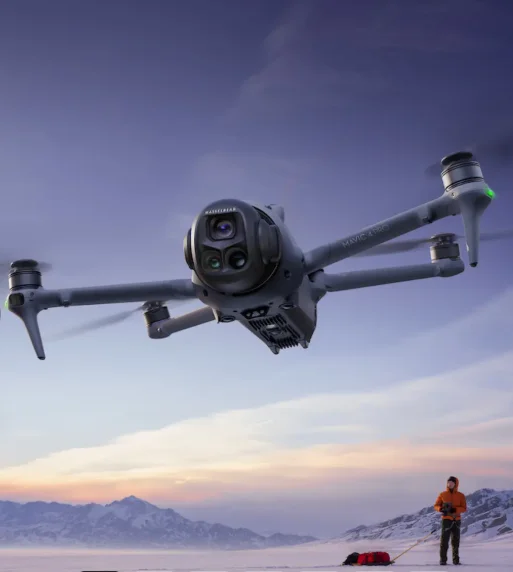
DJI, the world''s largest drone manufacturer, lost its lawsuit against the US Department of Defense in federal court. The court ruled there were sufficient grounds for the DoD designating DJI as a "Chinese military company." Judge Paul Friedman of the US District Court for Washington D.C. stated: "DJI itself acknowledged that its technology can be used in military conflicts — whether or not the company''s internal policies prohibit military use, the fact that the technology actually has military utility potential is the core."
DJI''s conflict with the US government is longstanding. In 2020, the US Commerce Department added DJI to its Entity List (effectively blocking transactions with US companies). In 2021, the US Treasury added DJI to its "Chinese military-industrial complex companies" list — suspicion of providing surveillance technology in Xinjiang''s Uyghur region. US Customs has been delaying DJI consumer drone clearances. With this lawsuit loss, DJI faces the strong possibility of a US import ban. Under NDAA, DJI must prove its products don''t threaten national security by year end. In March, DJI appealed to 5 security agencies (DHS, DoD, FBI, NSA, ODNI) requesting "immediate evaluation" but results remain uncertain.
DJI holds over 70% of global commercial drone market share — the absolute powerhouse in agriculture, filming, and logistics. However, DJI''s military utility potential continues to be problematic: in the Ukraine war, reports emerged that both sides'' militaries actively used DJI drones for reconnaissance and combat, amplifying controversy. DJI officially maintains "we prohibit military use" but cannot prevent it in actual battlefields.
DJI''s lawsuit loss is not simply one company''s problem — it shows the reality that boundaries between civilian and military technology are collapsing amid US-China tensions. If US import ban measures are confirmed, DJI will have no choice but to shift strategic weight to Europe, Asia, and other markets. But global expansion of a technology company with shaken "trust" will inherently be difficult. This case demonstrates that in the civilian technology and military capability competition between the US and China, whether you actually have military applications or simply could potentially have them — both can constitute grounds for national security concerns.