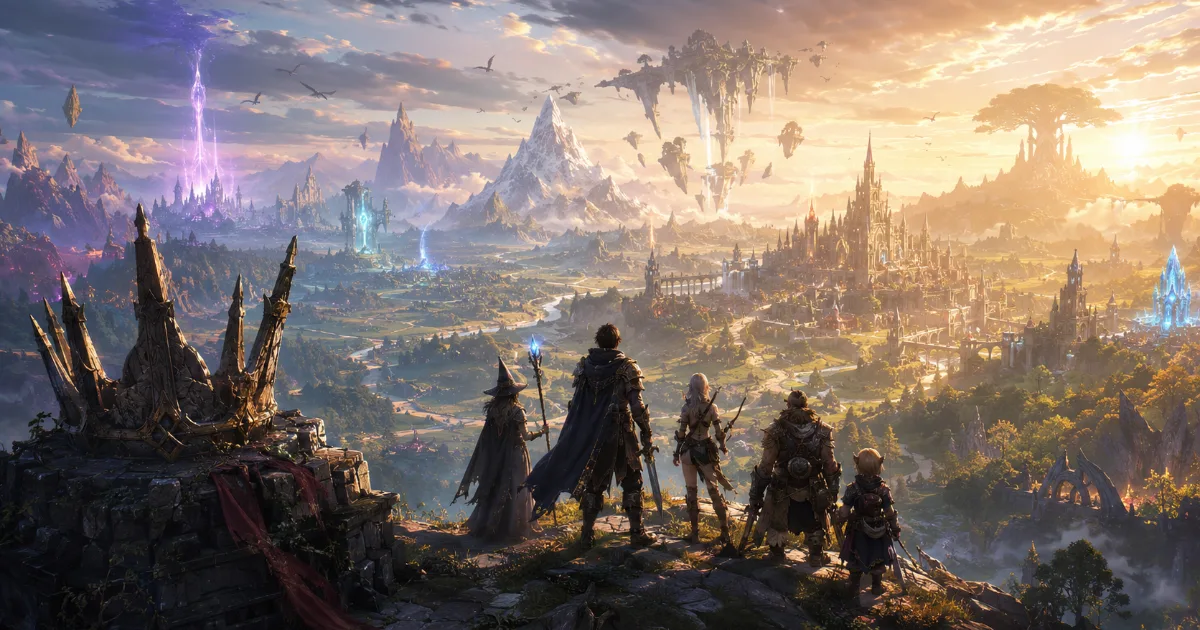
Game Technology 2: How Are Senses Designed? 'Destruction, Gaze, and Immersion Direction'
Beyond movement — the language of technology that designs space and emotion. Natural environment responses, effective delivery, and completing cognitive illusions. Camera work and environment interaction.
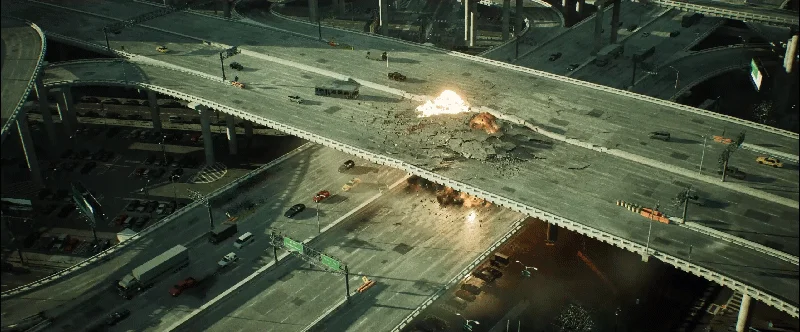
Source: META-X metax.kr
Game Technology Part 2 -- How Sensation Is Designed: Destruction, Gaze, and Immersion Direction: The quote that opens this series: Game is ultimately the technology of illusion. We feel real even seeing the fake, and even act as if real. Game is not reality. But we sincerely laugh, get angry, and are sometimes moved in that virtual space. We usually call that fun, but behind it is a craft formed from technology, planning, design, and calculation. Environmental interaction design: the physical feel of a game world is created through environmental response systems -- how materials react to player actions (glass shatters, wood splinters, cloth moves), how surfaces affect movement (friction, bounce, absorption), how the world remembers player presence (footprints, damage marks, fire spread). These systems create the sensation of inhabiting a physical world even though no physical world exists. Camera work as narrative tool: in first-person games the camera is the players eyes -- small camera movements simulate breathing, footstep impact, and emotional state; in third-person games camera positioning communicates tone (low angle for power, high angle for vulnerability, close-up for intimacy); the camera directs player attention and emotion in ways that game designers have borrowed extensively from film cinematography. Destruction as sensation design: the satisfying crunch of breaking objects, the cascade of physics-simulated debris, the visual feedback of damage -- destruction systems are among the most computationally expensive and psychologically impactful elements of game design; games that feel good to play often have invested heavily in destruction and impact feedback systems.
ⓒ META-X metax.kr
All rights reserved.
Free to share with attribution.
All rights reserved.
Free to share with attribution.