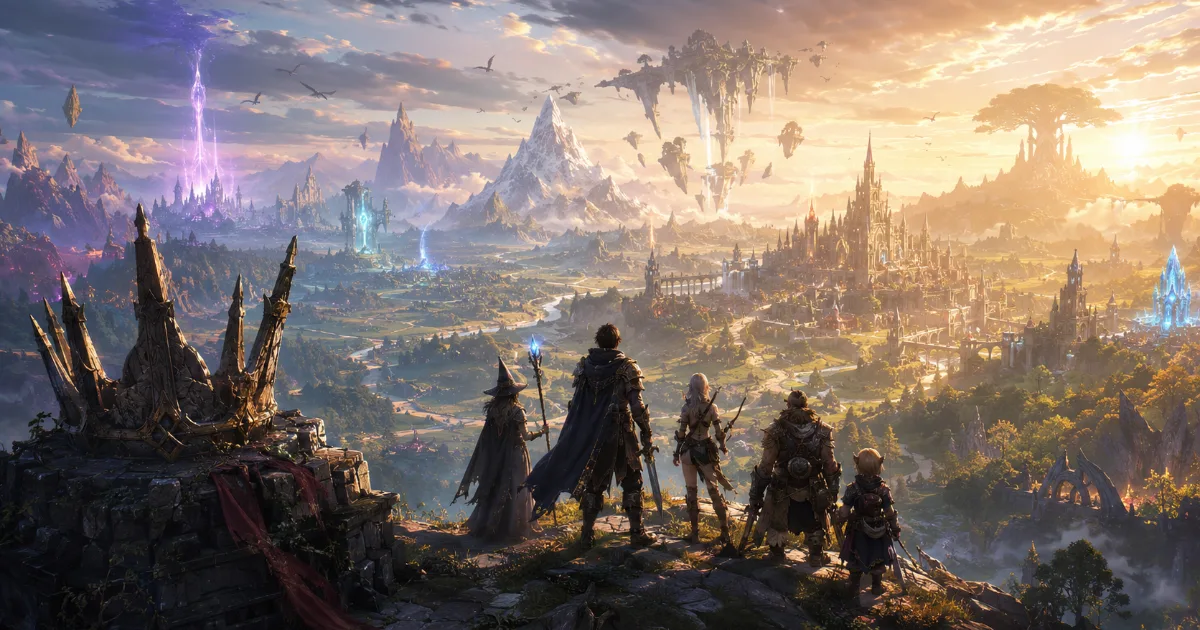
Game Technology 3: Customization — Creating 'Me in the Game World'
Customization that engraves existence in the world and proves yourself. Creating your own unique story in a world where you exist. The way players leave their mark in virtual worlds.
Source: META-X metax.kr
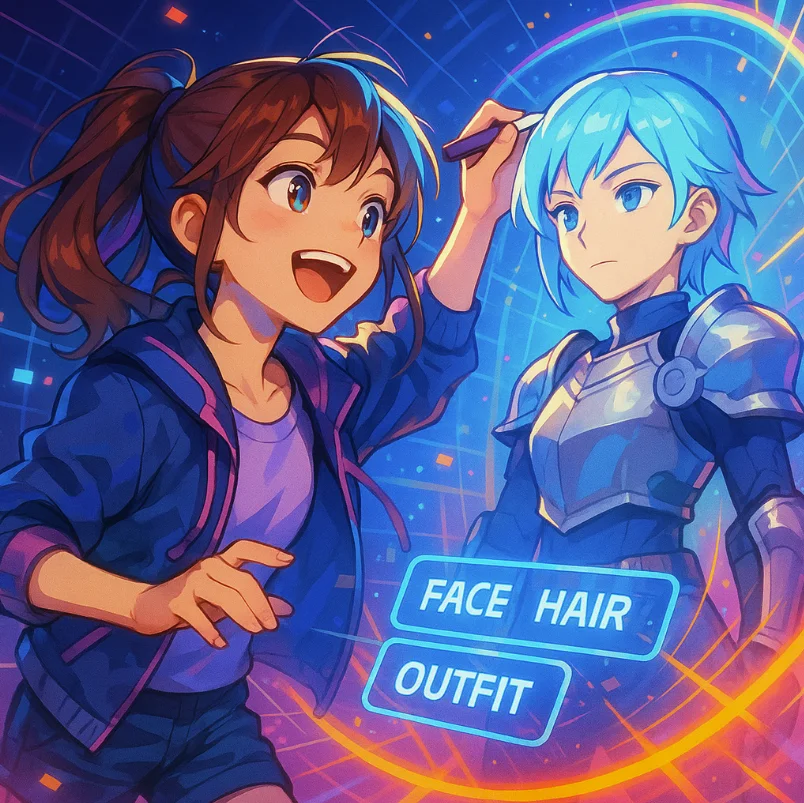
Game Technology Part 3 -- Customization That Creates Me in the Game World: The way players leave their mark in a virtual world -- that is customization. Game immersion is not completed by story or graphics alone. The sense that a player exists within the game world, and the experience of defining that existence themselves, is what solidifies immersion. Customization: the first moment of inscribing existence. Customization in games goes far beyond changing character appearance -- it is the mechanism by which players claim ownership of their game experience and distinguish themselves within the shared virtual world. The psychological dimensions of customization: identity expression through appearance choices (hairstyle, clothing, accessories) mirrors how people express identity through appearance in the physical world; players who invest time in character customization demonstrate higher game retention because they have established an identity investment; the customization process itself is a form of creative play that creates emotional attachment before gameplay even begins. The business model: cosmetic customization (skins, outfits, emotes) has become the dominant monetization model in free-to-play games precisely because it offers identity value without affecting competitive balance; players pay for the ability to be seen differently, not for competitive advantage; Fortnite generated billions in revenue from cosmetics that have zero gameplay impact. The social dimension: customization enables players to recognize each other and communicate group identity within the game world; guilds and teams with coordinated visual identities create belonging that extends the social dimension of games beyond competition into community.
ⓒ META-X metax.kr
All rights reserved.
Free to share with attribution.
All rights reserved.
Free to share with attribution.