Free use on global image platforms, selling for tens of millions on NFT exchanges.
The same Van Gogh painting is a ''public good'' anyone can use in one place
and a ''digitally scarce asset'' for sale in another.
This is the true face of public domain today.
Public Domain is a system that opens works whose copyright protection has expired for free use by anyone. When 70 years pass after an author's death, the work legally transitions to "public property." Works by Van Gogh, Cézanne, Shakespeare, and Verdi fall under this category. This system enables cultural heritage reuse — but "freedom" is sometimes degenerating into a lawless state where no one takes responsibility.
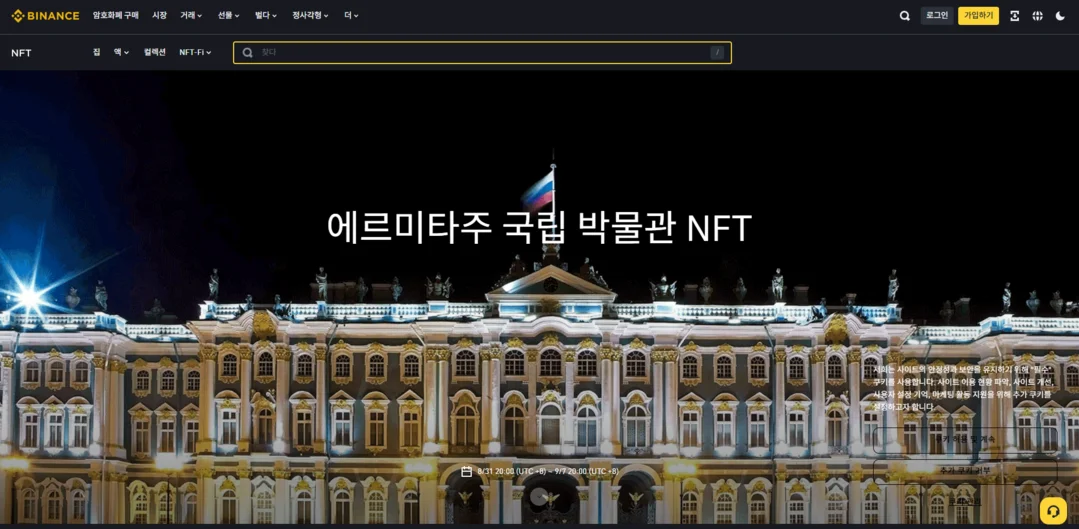
The problem: public domain images are increasingly used in commercial content, memes, and NFTs, with generative AI models using them as training data while deleting original creator names and historical context. Cultural assets are consumed as mere visual "background" without knowing the artist. The Hermitage Museum's 2021 NFT project stamped "digital ownership" on 5 public domain masterpieces sold at high prices. Some content platforms add watermarks to public domain images and resell them as premium assets — "free art" reappearing as "premium assets."
Korean Copyright Act Article 14(2): "Even after an author's death, use of works must be in a manner that would not have infringed personality rights during their lifetime." Yet reality differs — specific artists' styles are used for political ridicule or hate expression, or combined with products contradicting the creator's philosophy. Four policy proposals: (1) Automatic attribution metadata systems — automatic inclusion of artist name, creation year, work description on all public domain platforms; (2) Public domain usage ethics guidelines — government-level guidelines for ethical principles; (3) Commercial use revenue public cultural fund contributions — e.g., smart contract auto-donation of 1-3% of NFT transaction amounts; (4) Incorporating sharing ethics into Web3 and AI design — attributing training data sources, citing sources in auto-summaries. "Public freedom requires public ethics as its precondition."