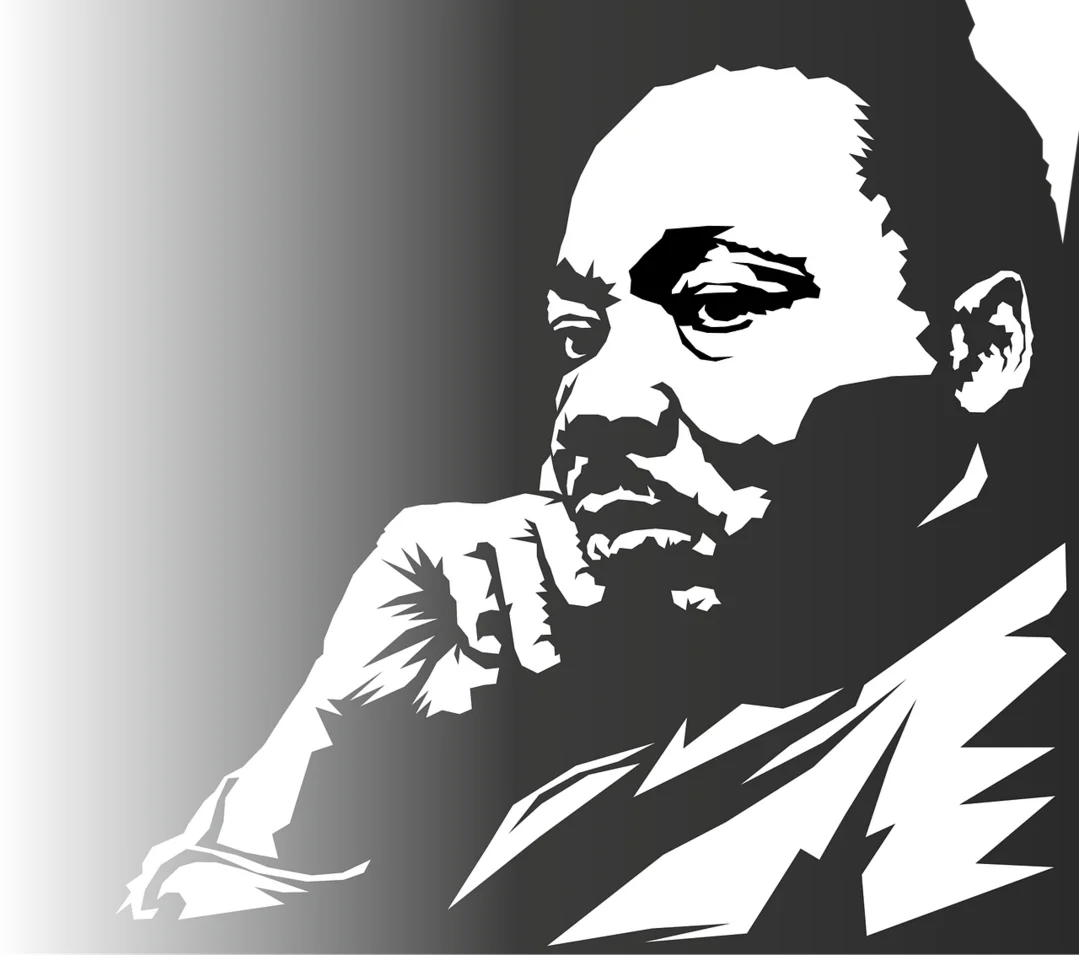
In October 2025, OpenAI officially announced a temporary suspension of generating portraits of Martin Luther King Jr. — a measure taken at the request of The Estate of Martin Luther King, Jr., Inc. (King Inc.). The incident began when some users used OpenAI's video generation model Sora to generate videos depicting Dr. King in demeaning or distorted ways. King Inc. demanded "the dignity of a historical figure has been damaged" and requested immediate response. OpenAI accepted, announcing it "will suspend related generation and strengthen guardrails to protect historical figures."
The "Digital Likeness Rights" of the Generative AI Era
This incident poses a fundamental question beyond simple image protection: "Whose is a human face created by AI?" Generative AI can restore deceased figures' faces and voices in real time and make them reappear in new contexts. This means historical figures are no longer beings of the past. The problem is that the distinction has become blurred between whether this represents the real Dr. King's will or an AI-reinterpreted fantasy. OpenAI's internal ethics council calls this "secondary death based on AI" — the phenomenon where a person's image is reborn differently from its lifetime meaning, and their legacy is consumed as a "distortion of memory."
Freedom of Expression vs. Digital Dignity
OpenAI stated: "While there is a strong public interest in freedom of expression regarding historical figures, the right of public figures and their families to determine how their images are used must also be respected." AI reconstructing historical figures has creative, educational, and satirical social value. But when images are transformed into ridicule or distortion, the damage is not mere discomfort but erosion of memory. For figures like Dr. King — symbols of the civil rights movement — their portrait is not merely personal property but part of public memory.
The "AI Memorial Right" Era
This case will likely be recorded as the first instance formally institutionalizing portrait rights protection in the AI era. Expected directions include: institutionalization of "digital likeness rights" for AI-generated content; family/foundation advance approval procedures (opt-out mechanisms); mandatory "authenticity labeling" for AI video (AI provenance disclosure). The concept of "Artificial Memory Right" — the ethical management right over memory — may emerge as a new human rights concept. "AI can reconstruct human memory, but cannot replace dignity."