Formalizing AI Cooperation Infrastructure with Developing Countries
Full Activation of Package Export Strategy from Ethics Guidelines to Cloud.
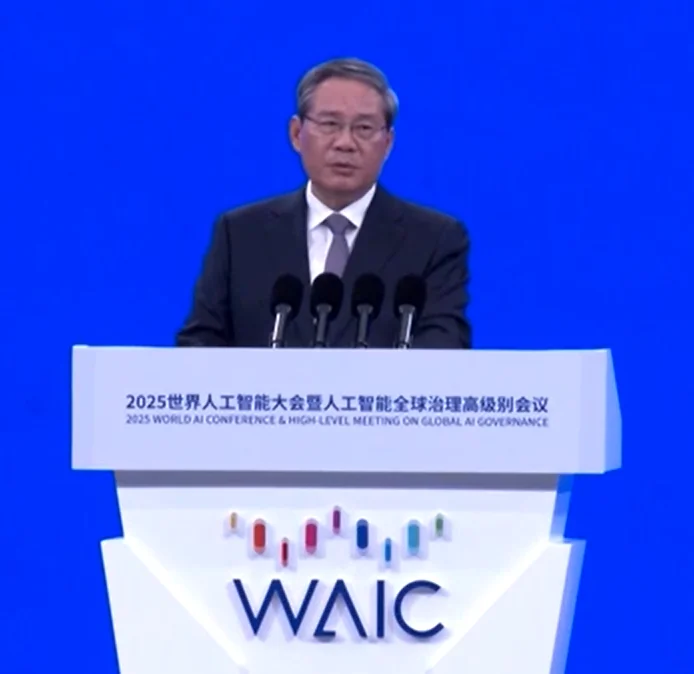
On July 26, 2025, Chinese Premier Li Qiang formally proposed establishing a "Global AI Cooperation Organisation" in his opening speech at the World Artificial Intelligence Conference (WAIC) in Shanghai — signaling China's intent to lead a new multilateral cooperation framework encompassing AI technology standards, ethics, and governance structures. The proposal carries an explicit message: moving beyond technological self-reliance to designing and leading international rules for the AI era. US vs. China AI governance polarization: the US AI Action Plan reconfirms private-led, minimum-regulation, innovation-centered principles; China counters that "AI technology is concentrated in a minority of countries" and emphasizes multilateral AI ethics and public benefit. China's proposed "Global AI Cooperation Organisation" targets a UN framework-based model covering technology norms, talent exchange, and governance structures — particularly focused on AI technology sharing with developing countries and infrastructure construction support. Strategic logic: by positioning itself as champion of "AI for the Global South," China gains norm-setting influence beyond its direct technological reach; developing countries adopting Chinese AI infrastructure, cloud services, and ethical guidelines may default to Chinese technical standards; this mirrors China's Belt and Road strategy applied to digital infrastructure. The initiative represents systematic challenge to US-centric technology hegemony structures — competition over which country designs the "rules of the AI order" is accelerating as a core dimension of geopolitical rivalry.