But Instead of ''Answers,'' They''re Cultivating ''Distrust'' and ''Discrimination.''
AI detectors like Copyleaks ("99.12%"), Turnitin ("98%"), and GPTZero ("99%") have been deployed in educational settings with claims of high accuracy — but these figures are difficult to reproduce in actual educational contexts. Bloomberg''s 2024 experiment with two detectors found 1-2% false positive rates even on 500 essays written before AI''s emergence in 2019. In practice, error rates are reportedly higher as AI rapidly mimics human style and "AI humanizer" technologies evolve to evade detection.
False positives are not simple errors — they cause psychological trauma (students wrongly labeled cheaters, experiencing anxiety, stress, academic abandonment), material harm (disciplinary action, grade penalties, scholarship revocation, admission cancellation, graduation delays), and systemic discrimination. Applying a 1% false positive rate to approximately 2.23 million first-year students at US four-year universities writing 10 essays per year yields 223,500 "unjust victims" annually.
AI detectors operate unfairly against specific groups: non-English native or immigrant-background students have higher false positive rates due to stylistic differences and vocabulary limitations; Common Sense Media reports show Black students are disproportionately flagged for AI plagiarism; neurodivergent students with distinctive language patterns are interpreted as "abnormal" by detectors. AI detectors risk institutionalizing bias and distrust under the name of "fairness."
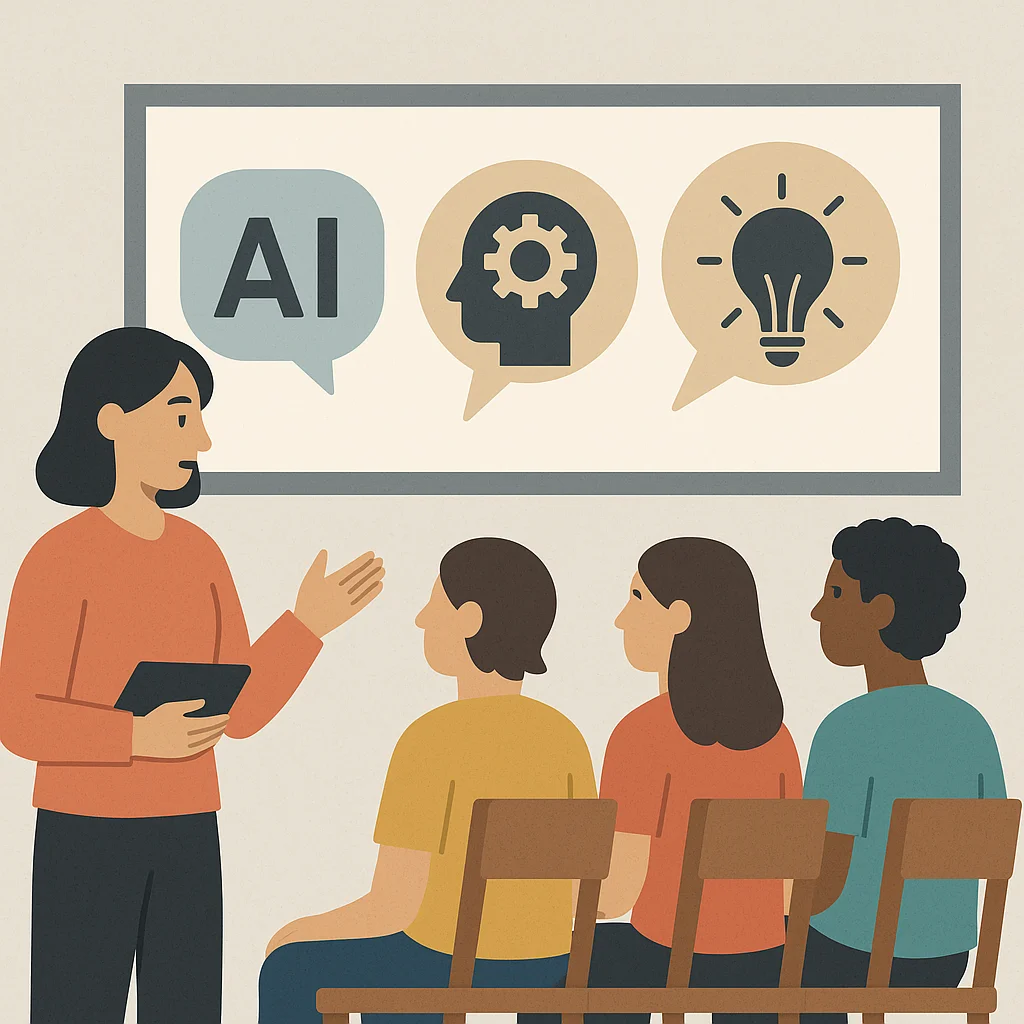
Needed responses: AI literacy education for both teachers and students (understanding operating principles, limitations, bias, copyright, environmental impacts); critical thinking education enabling AI as creative tool not answer generator; evaluation innovation (oral assessment, process-centered evaluation, real-time feedback, self-directed projects); and transparent communication establishing agreed-upon standards through joint discussion. AI-era education must center human growth, trust, understanding, and consensus — not technology itself. "How far can AI detectors be trusted?" — this question demands urgent institutional reform placing responsible use over blind faith in technology.