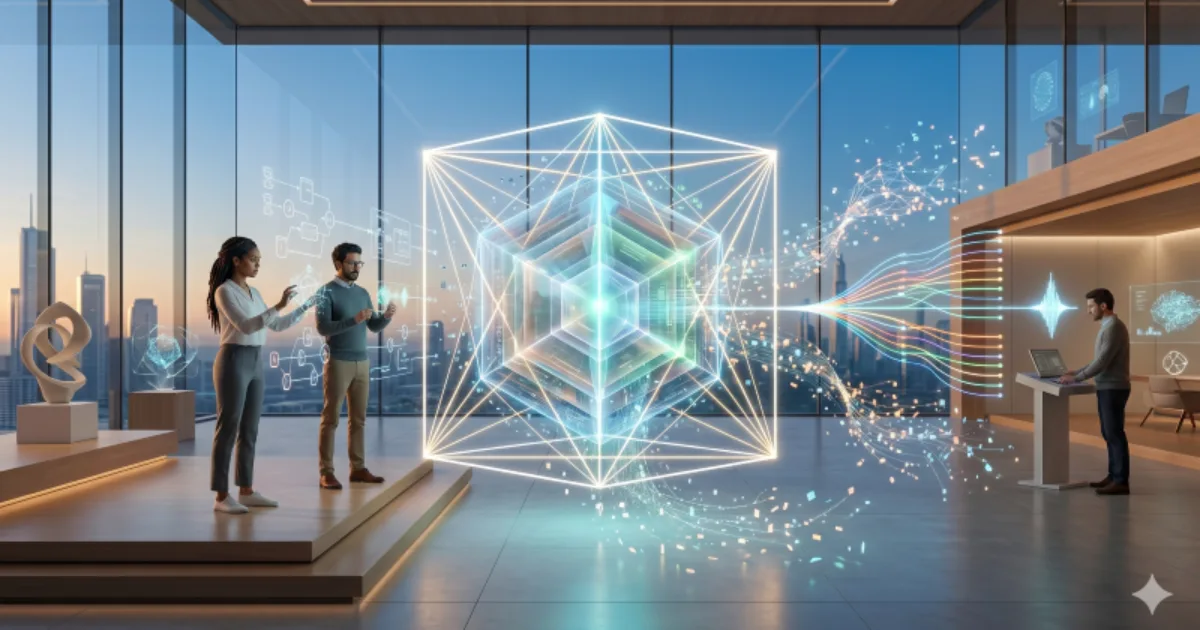
How Is Rights Distribution Possible in the AI Diversification Era?
An analysis of how rights distribution can be achieved fairly in an AI era characterized by growing diversity of AI models and applications.
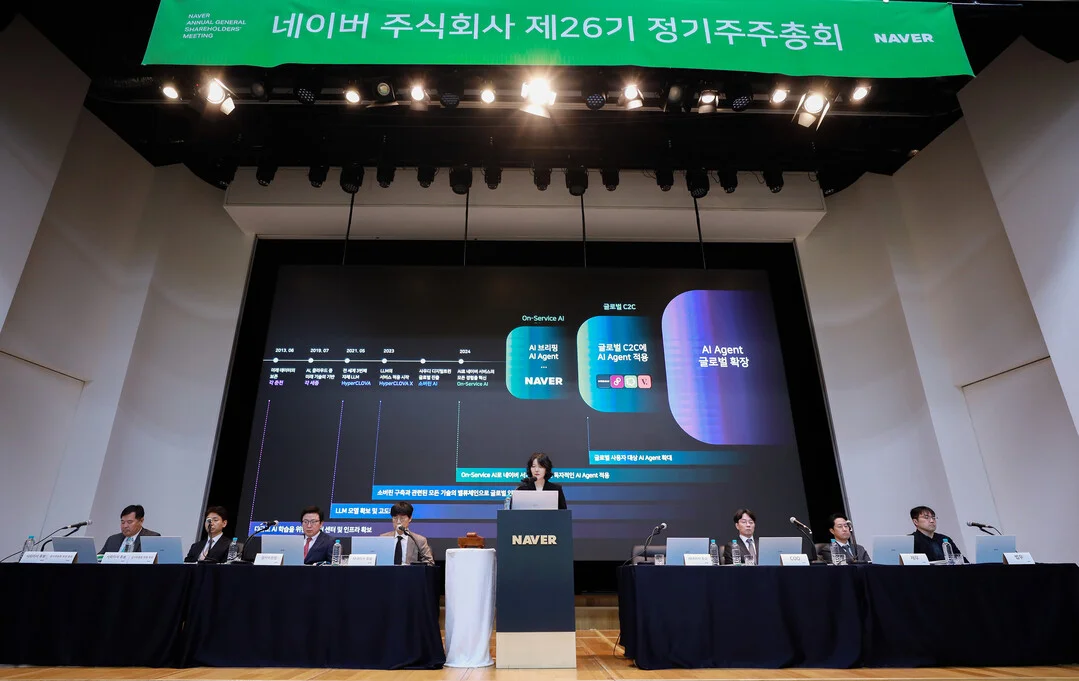
Source: META-X metax.kr
How Is Rights Distribution Possible in the Era of AI Diversification? Web3 and Copyright Series 3: The spread of generative AI is changing not only the methods of digital creation but also the structure of rights. As technology diversifies, content increases and ownership becomes opaque. Legal and institutional responses are more urgent than ever. The rights distribution challenge: when AI generates content trained on human creative works, the question of who owns the output is unresolved; the AI itself cannot hold rights (not a legal person); the company that created the AI model? the user who prompted the AI? the original creators whose work trained the model? Web3 as a rights distribution mechanism: smart contracts can encode automatic royalty distribution rules; when AI-generated content derived from specific training data is used commercially, smart contracts can automatically distribute royalties to the identified training data contributors; NFTs can represent fractional ownership of AI-generated works with transparent ownership history. The regulatory landscape: EU AI Act requires transparency about training data; US Copyright Office has stated that purely AI-generated works without human creative input are not copyrightable; Korea Ministry of Culture, Sports and Tourism established a regulatory improvement consultative body; the intersection of AI capability and rights law is one of the most rapidly evolving areas of technology law.
ⓒ META-X metax.kr
All rights reserved.
Free to share with attribution.
All rights reserved.
Free to share with attribution.