Strategic Choice of "Sustained Relationship" Over Revenue
Saturn, the App That Turned a Schedule Into a "Social Graph"
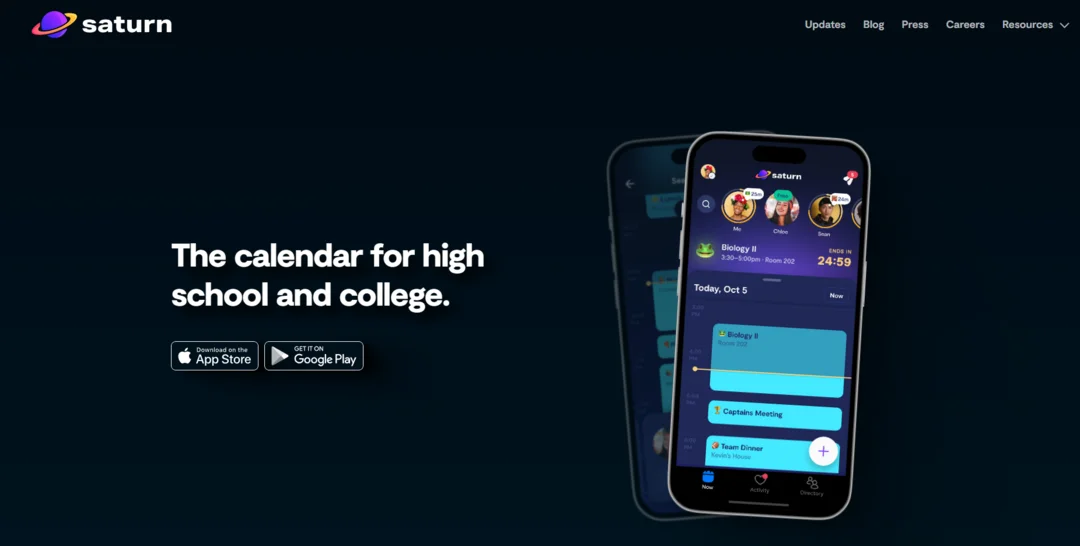
Snap acquired teen-focused social calendar app "Saturn." On the surface it may look like a simple schedule management app, but this acquisition is part of Snap strategy to expand from a messaging-centered platform to a social ecosystem encompassing all aspects of youth daily life. June 20, 2025: Snap officially announced the Saturn acquisition. Saturn is a social calendar app primarily targeting high school and college students, providing functions to share schedules of classes, activities, and gatherings in real time and connect with friends. Acquisition amount undisclosed; most of Saturn approximately 30 full-time employees are expected to join Snap; the app will continue operating as an independent app not integrated with Snapchat. What makes Saturn strategically valuable: (1) High school social graph -- Saturn has penetrated approximately 30% of US high schools; students who use Saturn for scheduling have their entire peer social network mapped (who is in which class, which activities overlap, when friend groups are free); this social graph is more accurate and current than friendship connections established through Snapchat follows; (2) Daily habit formation -- checking your schedule is a multiple-times-per-day behavior; Saturn creates touch points throughout the day that current Snapchat does not address; (3) Retention and churn prevention -- students who use Saturn for scheduling have a utility reason to remain engaged with Snap ecosystem even during periods when social messaging activity decreases; (4) Pre-Snapchat onramp -- high school freshmen discover Saturn when setting up their schedule; Saturn becomes their first Snap ecosystem product. The competitive significance: TikTok, Instagram, and BeReal compete for teen attention through entertainment content; Saturn competes by being useful -- a different and harder-to-displace value proposition.