Public Domain was originally everyone's. The institution was designed so anyone could freely use images, documents, and artworks whose copyright protection period had ended — to return humanity's cultural assets to the public embrace. Ironically, however, public domain is currently being re-"privatized."
NFT, Web3, and generative AI promised "decentralization" and "sharing," but what's actually happening is the opposite. Platforms and first-movers are rushing to stamp "digital ownership" on public domain content, then claiming ownership based on that record. NFTs are not copyright — minting a public domain image as an NFT doesn't grant legal ownership. Yet in actual markets, NFT issuers are often recognized as "original digital owners."
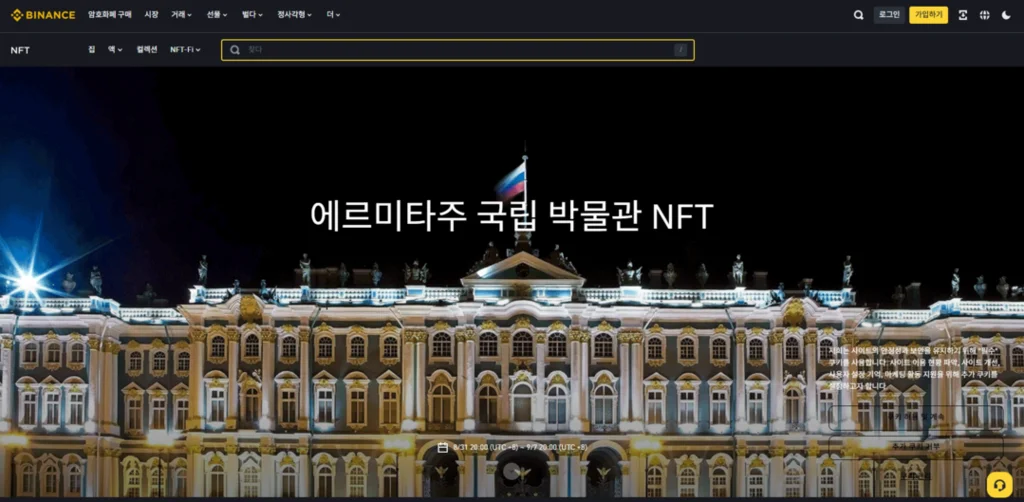
Example: In 2021, Vincent van Gogh's public domain images were digitized, registered as NFTs, and traded for tens of thousands of dollars — images anyone should be freely able to use became "someone's property" through a single digital token. The Hermitage Museum's 2021 NFT project similarly claimed "digital ownership" by minting high-resolution masterpiece images. Web3 also ultimately focuses on ownership over sharing — DAO governance concentrates power in leaders, NFT communities structure profits for original authenticators.
Platform strategy: large image sites, AI generation tools, and content distribution platforms collect public domain materials for free, then monetize them as premium products (museum high-res images → AI training data → paid generation image API; masterpiece images with watermarks → paid licenses). This "digital enclosure" creates "de facto ownership without ownership." Four policy proposals: automatic attribution systems; public domain ethics guidelines; commercial use public cultural fund contributions; building sharing ethics into Web3 and AI technical protocols. "Those who protect sharing first" should be the measure, not "who recorded first."