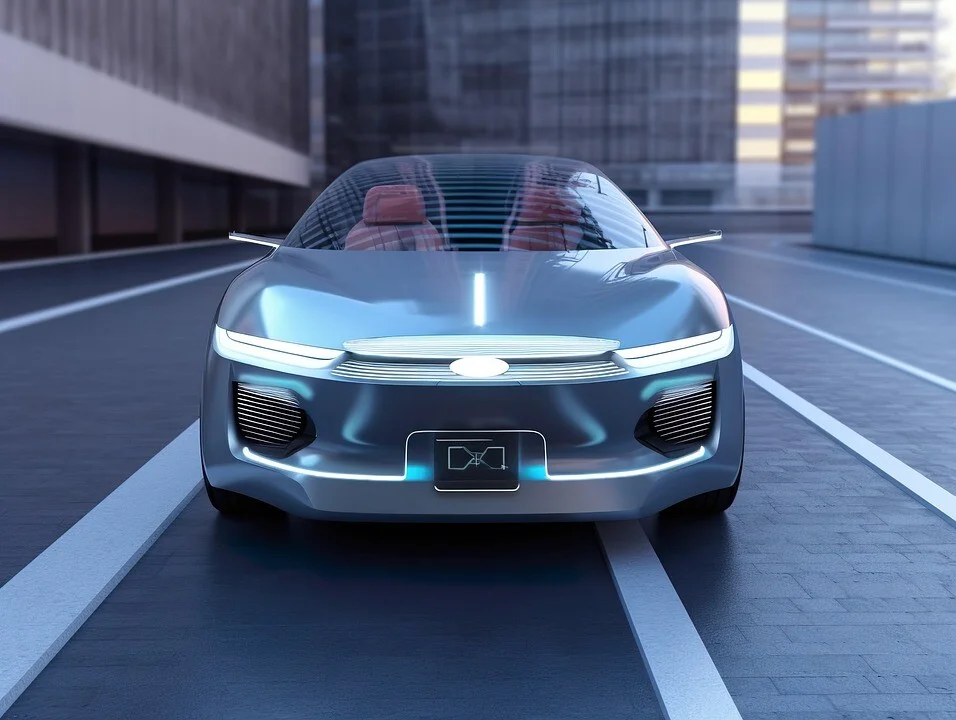
New Mobility Economy Ecosystem Where Humans Handle Short Distances and Technology Bridges Long Distances
Japan Ministry of Land, Infrastructure, Transport and Tourism target of introducing 10,000 Level 4 autonomous vehicles by 2030 is not simply a technology experiment -- it is a national experiment and survival strategy for "how to make the economy flow again in a society where people are decreasing." When population decreases, movement decreases; when movement decreases, consumption stops. A society with decreased movement is ultimately a society where economic circulation has stopped. Autonomous driving is the technology to break this chain -- technology to prevent movement from decreasing even as people decrease. Autonomous driving is not "replacement technology" but "coexistence technology": the actual direction is a hybrid model where humans handle short distances and technology handles dangerous and long distances. Urban and living areas (short distance): human driving remains central -- conversation, service, care, response are social technologies humans possess; bus and taxi driver experience is a key factor maintaining regional "movement culture." Regional transportation arteries and logistics (long distance): Level 4 autonomous vehicles can handle fixed routes efficiently; risks of driver fatigue, time pressure, and attention gaps can be eliminated. The expanded economy logic: autonomous driving extends the effective radius of human activity -- elderly people who cannot drive access services further away; rural residents access urban medical and commercial services; tourism patterns expand as transportation to previously inaccessible locations becomes available; all of these represent demand creation that population decline would otherwise suppress.