Virtuous Cycle Structure Led by Developer Ecosystem
Prelude to User Base Expansion and Business Diversification
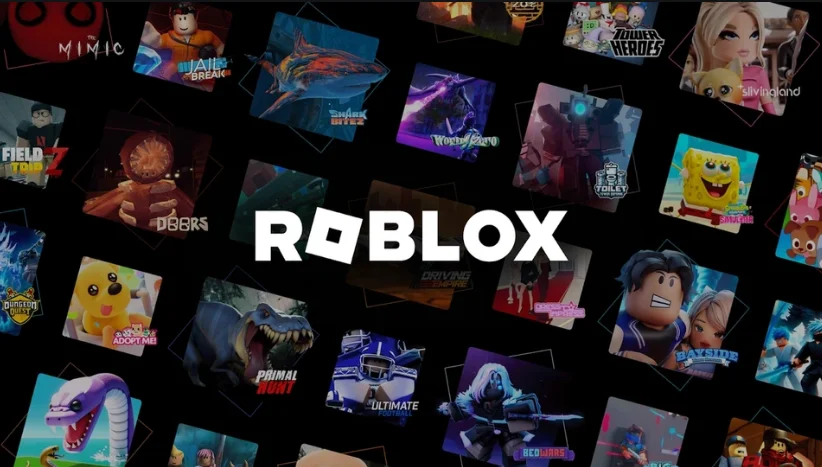
Executive Summary: Roblox Corporation, established in 2004, has built a unique UGC (User Generated Content)-based metaverse ecosystem beyond a simple game platform -- positioning as a major player in digital entertainment. 2024 revenue: 3.602 billion USD (+29% YoY); growth continued in Q1 2025. Despite net losses, these are strategic decisions for long-term platform expansion through aggressive R&D and infrastructure investment rather than short-term profitability. Core competitiveness: unique economic system centered on virtual currency Robux, through which millions of developers build and share experiences -- in 2024, developers earned approximately 700 million USD. Business model: Robux virtual currency system (primary revenue source); premium Roblox Premium subscriptions; advertising through advertising platform; IP and licensing; the Robux flywheel (users buy Robux to access experiences, developers earn Robux by creating valued experiences, developers cash out Robux, creating economic incentive for high-quality content creation). User demographics and engagement: 88.9 million daily active users (DAU) in 2024 (Q1 2025: 97.8 million DAU, +26% YoY); engagement hours 16.7 billion annually; expanding beyond 9-12 age core demographic to 17+ and adult users; international expansion particularly in Southeast Asia, India, and Brazil. Competitive landscape: direct competitors (Minecraft, Fortnite Creative, Meta Horizon Worlds, The Sandbox); indirect competitors (YouTube, TikTok for user-generated content and engagement time); Roblox moat is creator economy depth -- millions of developer-creators who earn real income from Roblox are locked into the platform by their economic dependency. Key risks: (1) Child safety regulatory pressure intensifying globally with COPPA, EU DSA, and state-level regulations; (2) Platform fee controversy -- developers argue 30% of Robux purchase revenue going to Roblox is too high; (3) Monetization transition challenges -- as users age beyond the core demographic, free-to-play game design appeal decreases; (4) AI competition for developer talent -- as AI content generation improves, the value proposition of human developers creating Roblox experiences faces pressure. Growth strategy: advertising platform expansion for brand partnerships; AI-assisted creation tools lowering developer barrier; 3D spatial audio and improved graphics; subscription tier differentiation; global expansion in emerging markets.