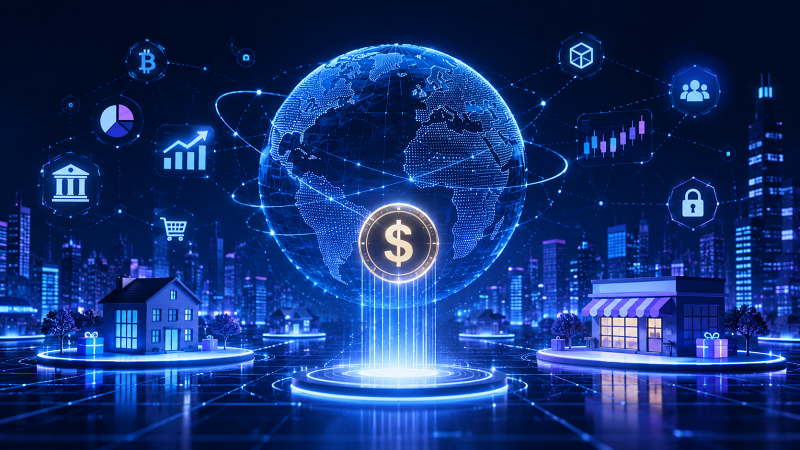
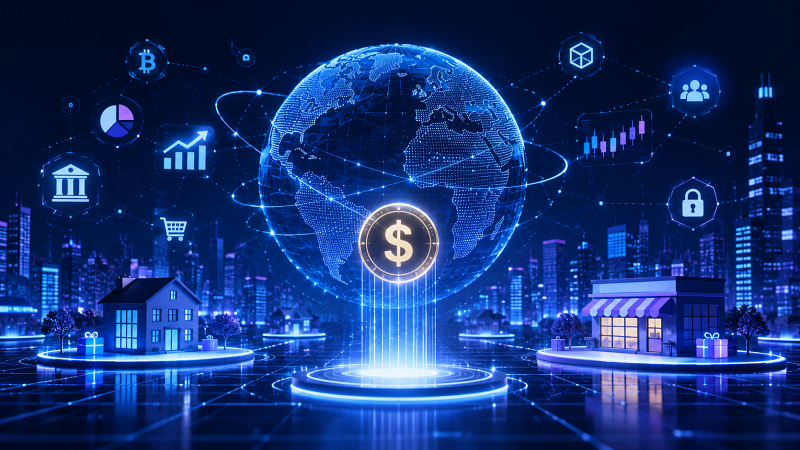
In May 2025, Real World Asset (RWA) tokenization — previously limited to real estate and art — is expanding to robots as dynamic organic entities. Robot RWA requires more sophisticated design than static asset tokenization: modular cash flow structure (1st revenue: service fees from logistics/patrol/cleaning operations; 2nd revenue: cloud-based operating software subscriptions; 3rd revenue: data licensing from operational data collected during robot operation); each revenue stream can be distributed via separate token mechanisms or tracked via on-chain oracles for automated distribution. Operational risk real-time reflection: unlike real estate (stable value, predictable income), robots require continuous software updates and parts replacement; 1% uptime reduction can significantly reduce annual yield; smart contracts automatically reflect maintenance costs (deducted from dividends or covered by insurance pools) — making robots truly "living investment products" where value tracks operational performance. Dynamic NAV revaluation mechanism: AI robot value depends on technological currency — a 2023-vintage robot may be worth 60% of current market value by 2025 as newer models release; token pricing needs to incorporate technology cycle depreciation, distinguishing robot RWA from traditional asset tokenization which assumes value preservation. Global regulatory compliance: robots operating across multiple jurisdictions face different safety certification requirements; smart contracts must incorporate jurisdiction-specific operating rules and automatic service restrictions in non-compliant areas. The robot RWA innovation: combining physical asset tokenization with real-time operational data creates a new asset class where token value reflects actual productivity rather than speculation — potentially enabling institutional investors to access robotics economics without owning and operating the physical assets.
The Day Robots Got on the Blockchain: New Evolution of Real-World Asset Tokenization
Beyond simple technology demonstration — evolving RWA model connecting revenue, operations, and regulation. In May 2025, the blockchain ecosystem is reaching another turning point.
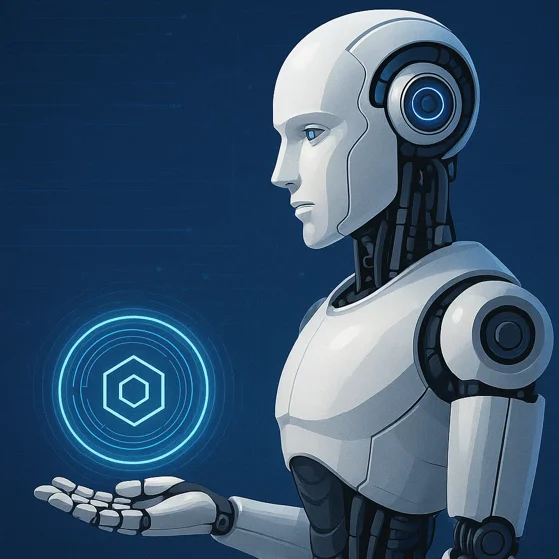
Source: META-X metax.kr
Beyond Simple Technical Display, as an Evolutionary RWA Model Connecting ''Revenue-Operations-Regulation''
ⓒ META-X metax.kr
All rights reserved.
Free to share with attribution.
All rights reserved.
Free to share with attribution.