What Is Trump Key Re-Election Legislation
Why Did Musk Oppose Big Beautiful Bill
Trump vs. Musk: Who Gained and Lost What?
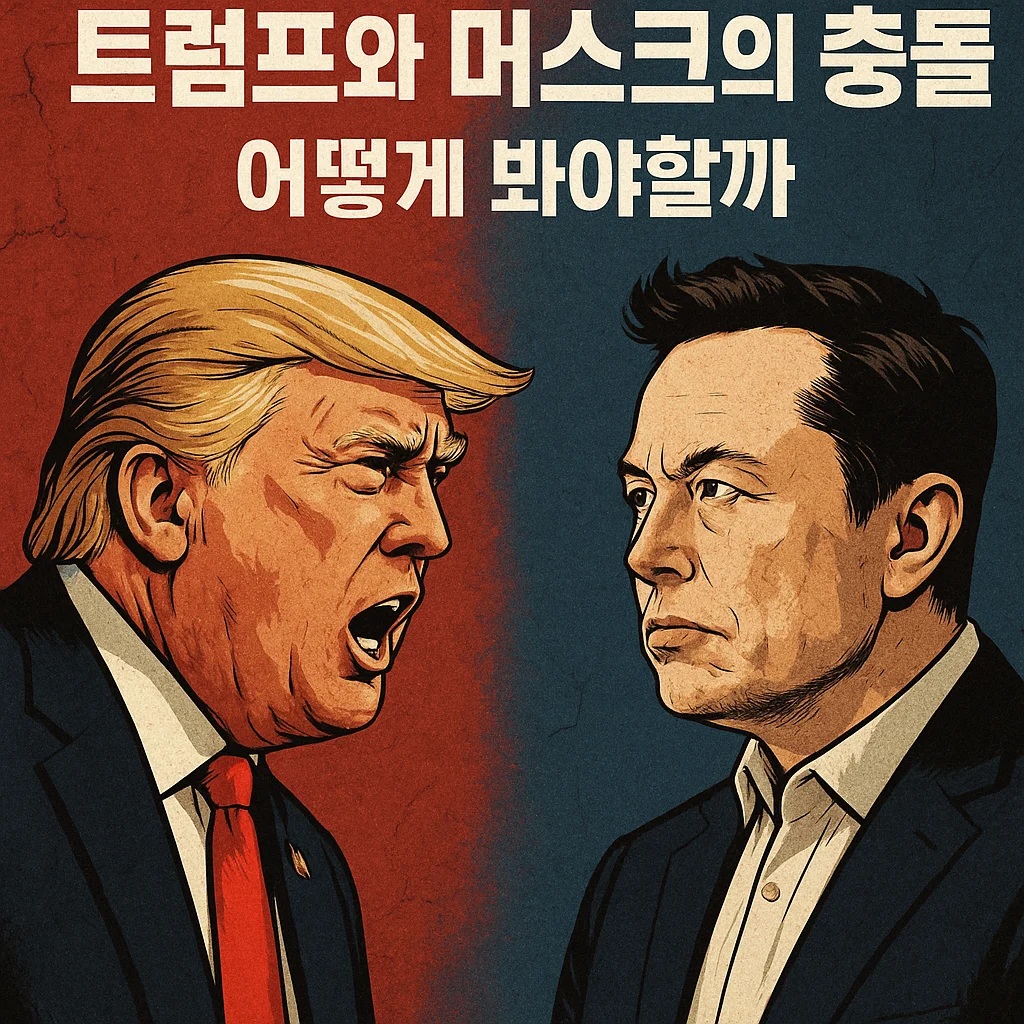
June 2025: two figures representing American politics and industry finally collided head-on. One side is President Donald Trump who successfully won re-election; the other is Elon Musk, symbol of global technological innovation leading Tesla and SpaceX. They had maintained an "uneasy alliance" in the past, strategically cooperating in different domains. But now it is different. Musk criticized Trump policy as a "fiscal monster" and Trump strongly pushed back. Their public sparring is not simply personal conflict -- it represents a philosophical and policy collision between the US government and a representative technology company. At the center is "The One, Big, Beautiful Bill" -- a massive spending bill the Trump administration is pursuing for Congressional passage in the second half of 2025. What the bill contains: approximately 5 trillion USD in federal spending and tax changes; Medicaid cuts (approximately 800 billion USD reduction over 10 years); SNAP (food assistance) work requirements; extending 2017 Trump tax cuts permanently; new tax cuts for high-income earners; significant reductions in clean energy tax credits (IRA provisions); border security and deportation enforcement funding expansion. Why Musk opposed it: the IRA clean energy credit cuts directly threaten Tesla and SpaceX economics -- electric vehicle tax credits (which support Tesla sales) and clean energy investment credits (which support SpaceX Starlink and Tesla energy business) are major targets; Musk argument is that the bill trades long-term economic competitiveness (clean energy, technology investment) for short-term tax relief. Trump response: accused Musk of supporting the bill initially and then turning against it when he realized EV credit cuts affected Tesla directly; suggested Musk opposition is self-interested rather than principled; threatened to revoke government contracts with Tesla and SpaceX. The outcome: the bill passed the House with a narrow margin; Musk and allies lobbied Republican senators; some EV credit provisions were modified; the fundamental tension between Trump coalition (traditional industries, deficit indifferent) and Musk interests (technology investment, clean energy, fiscal responsibility) remains unresolved.