Web 1.0: Static Data Consumption (Enterprise-Centered)
Web 2.0: User Participation (Platform-Centered)
Web 3: Data Sovereignty (User-Centered)
Technological advancement is a process where Data, Logic, and Interface interact to create new digital ecosystems. Past data was stored on individual devices; internet development moved it to server-based systems; mobile and cloud environments further transformed data flows. Now we face Web3 — a new paradigm where metaverse, AI, and blockchain shift data and logic from centralization to decentralization, redefining internet operation from platform-company-centric to user-centric ownership structures.
PC Era (1980-2000): Data as personal assets stored on local devices. The digital ecosystem operated on a Desktop (Interface) — Program (Logic) — Database (Data) structure. GUI replaced CLI, making computing accessible. Applications ran independently without internet connectivity; limitations included restricted data sharing and access only from specific devices. Web 1.0 (2000-2010): Data moved to central servers; users consumed static web pages without contribution. Web 2.0 (2010-2020): Cloud computing enabled participation and interaction — users create content, platforms collect and monetize data. Social media, YouTube, and collaborative tools enabled collective content creation. The key issue: platforms (Google, Facebook, Amazon) gained enormous power and data ownership over users.
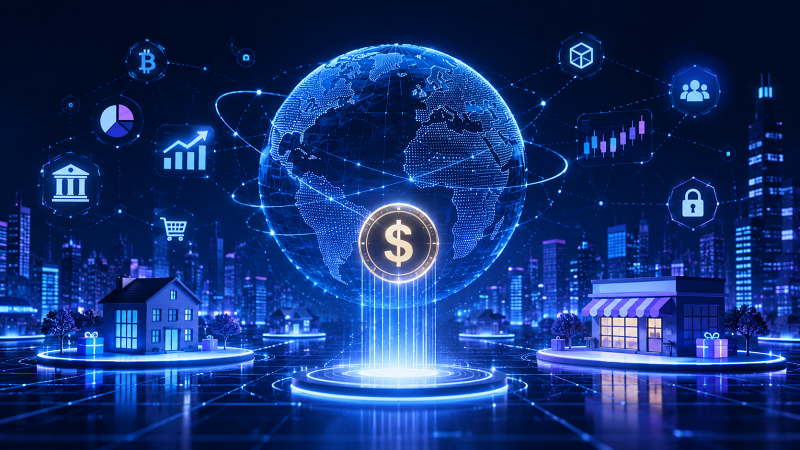
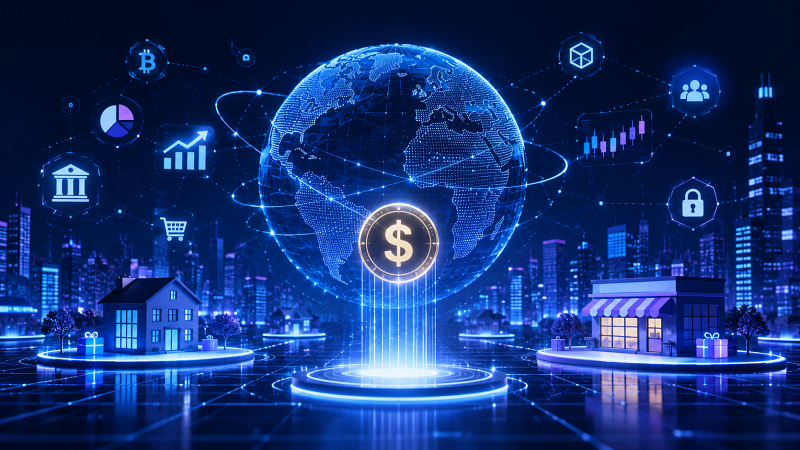
Web3 Paradigm: Decentralization through blockchain — data ownership returning to users; transactions recorded transparently on blockchain without third parties; DeFi (Decentralized Finance), NFTs, DAOs, and DID (Decentralized Identity) creating a new digital economic structure. Metaverse layer: virtual spaces where users own digital assets and participate in economic activities — creators own content through NFTs, enabling direct peer-to-peer transactions. AI integration: AI systems that protect privacy while analyzing user data, with decentralized AI models preventing specific company monopolization of AI capabilities. The digital ecosystem evolution from Desktop → Web 1.0 → Web 2.0 → Web3 fundamentally transforms how data, logic, and interfaces interact — Web3 represents not just technological evolution but a paradigm shift restoring human digital sovereignty.