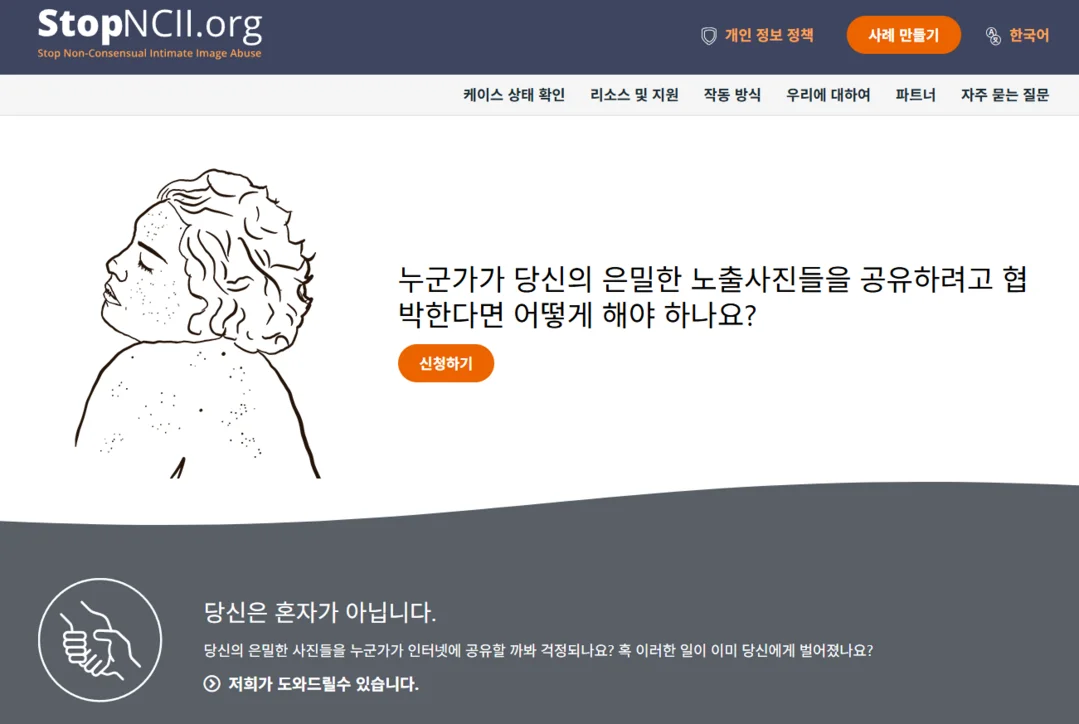
Google has launched measures to address "revenge porn" (non-consensual intimate images, NCII) in online spaces -- signing a partnership with UK non-profit StopNCII (Stop Non-Consensual Intimate Images) to introduce a system preemptively blocking search exposure. The technology core is hash technology -- a digital fingerprint uniquely representing specific images, generating only encrypted code rather than the original. Victim sensitive images are not directly stored on external servers while identical content can still be identified. When victims register hashes through StopNCII, Google uses these to find and block similar images in search results -- simultaneously securing victim privacy protection and technical efficiency. Until now Google operated a removal request channel for NCII victims, but the burden remained on victims to self-report. The hash approach enables proactive blocking before a victim is even aware their content is appearing in search results. StopNCII already operates with Facebook, Instagram, TikTok, and Snapchat -- Google joining creates a unified hash database working across the major platforms where NCII most commonly appears, making the protection more comprehensive than any single platform acting alone.
Google Partners With UK Nonprofit to Strengthen Revenge Porn Blocking
Google has partnered with UK nonprofit StopNCII to address the spread of non-consensual intimate images in online spaces.
Source: META-X metax.kr
ⓒ META-X metax.kr
All rights reserved.
Free to share with attribution.
All rights reserved.
Free to share with attribution.